☎ (619) 825-1802
★★★★★ 100% Satisfaction Guaranteed

San Diego Drywall Installation.

New drywall hung, taped and finished for homes and businesses across San Diego. Garages, ADUs, additions, remodels and commercial buildouts, done to code, and on time.

  • Free Fast Estimates
  • Residential & Commercial
  • Licensed Contractor, 15+ Years
Why Call Us First

3 Reasons San Diego Trusts Us With Drywall Installation

If you're comparing drywall installers, here's the short version of what makes us different.

1

Framing Checked First, So New Drywall Hangs Flat

Bad drywall usually starts with bad framing. We make sure to check every wall for straight and square before hanging a single sheet, wood studs or metal. Then we check the finished walls under harsh angled light, the same light your room gets every afternoon.

2

Residential and Commercial Drywall

We do residential and commercial drywall installation. Your ADU gets a crew who knows what the inspector checks, and your retail build-out gets people who can work after hours. We hold ourselves to the highest standards to get you results you'll love.

3

Licensed Drywall Installer With Firm Quotes

We're licensed and insured, and we'll show proof before work starts. Your quote is a firm written price with the board type and finish level spelled out. The number you approve is the number you pay.

Two Kinds of Projects, One Contractor

Residential or Commercial Drywall Installation?

The materials overlap, but the jobs are different. Jump to the side that matches your project. Looking to fix existing walls instead? See our drywall repair page.

Residential

Residential Drywall: Homes, Garages, ADUs & Additions

Garage finishing, conversions, room additions, remodels, and whole-house new construction. Wood framing, finished to blend with the rest of your house.

  • Garage & ADU drywall installation
  • Room additions & remodels
  • New home builds & whole-house drywall
See Residential Services →
Commercial

Commercial Drywall: Offices, Retail & Tenant Improvements

Metal stud framing and drywall for businesses, coordinated with your GC, property manager, or design team, and scheduled around your hours when needed.

  • Office & retail tenant improvements
  • Restaurant & medical suite build-outs
  • Metal stud framing & demising walls
See Commercial Services →
Residential

Residential Drywall Installation in San Diego

From a single garage to a whole custom home, we hang, tape, and finish new drywall so it looks original to the house, not added onto it.

▦

Garage Drywall Installation

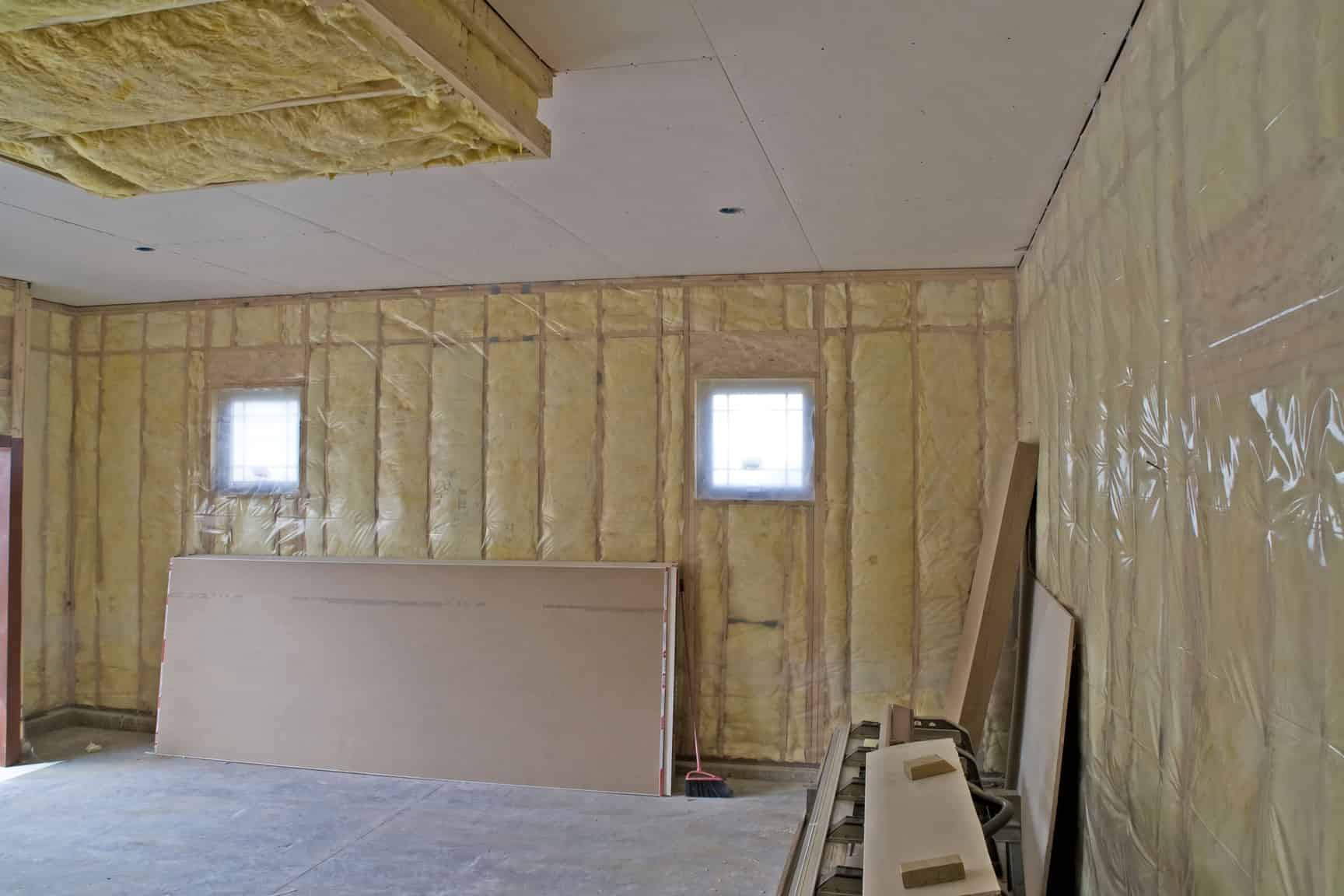
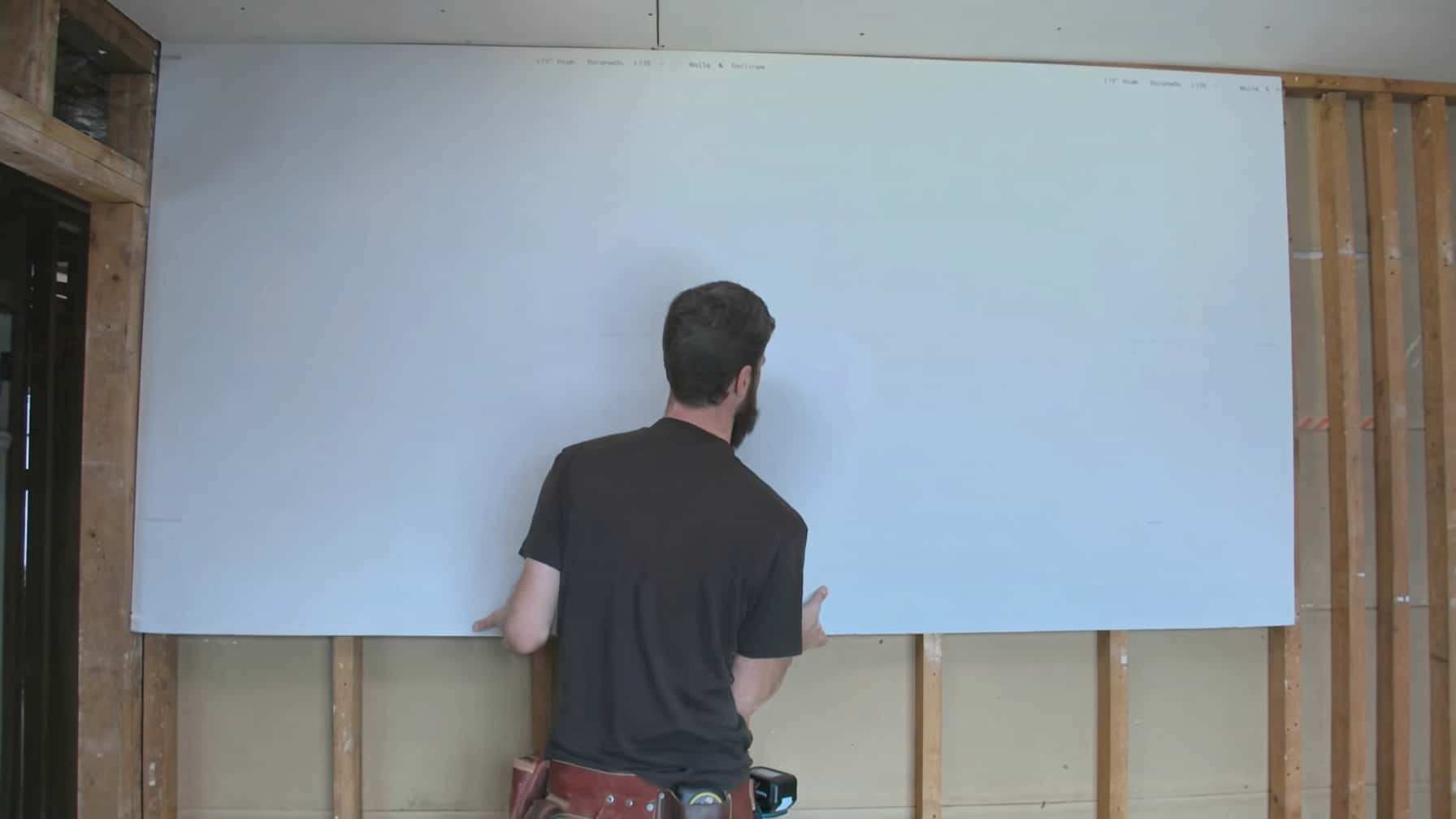
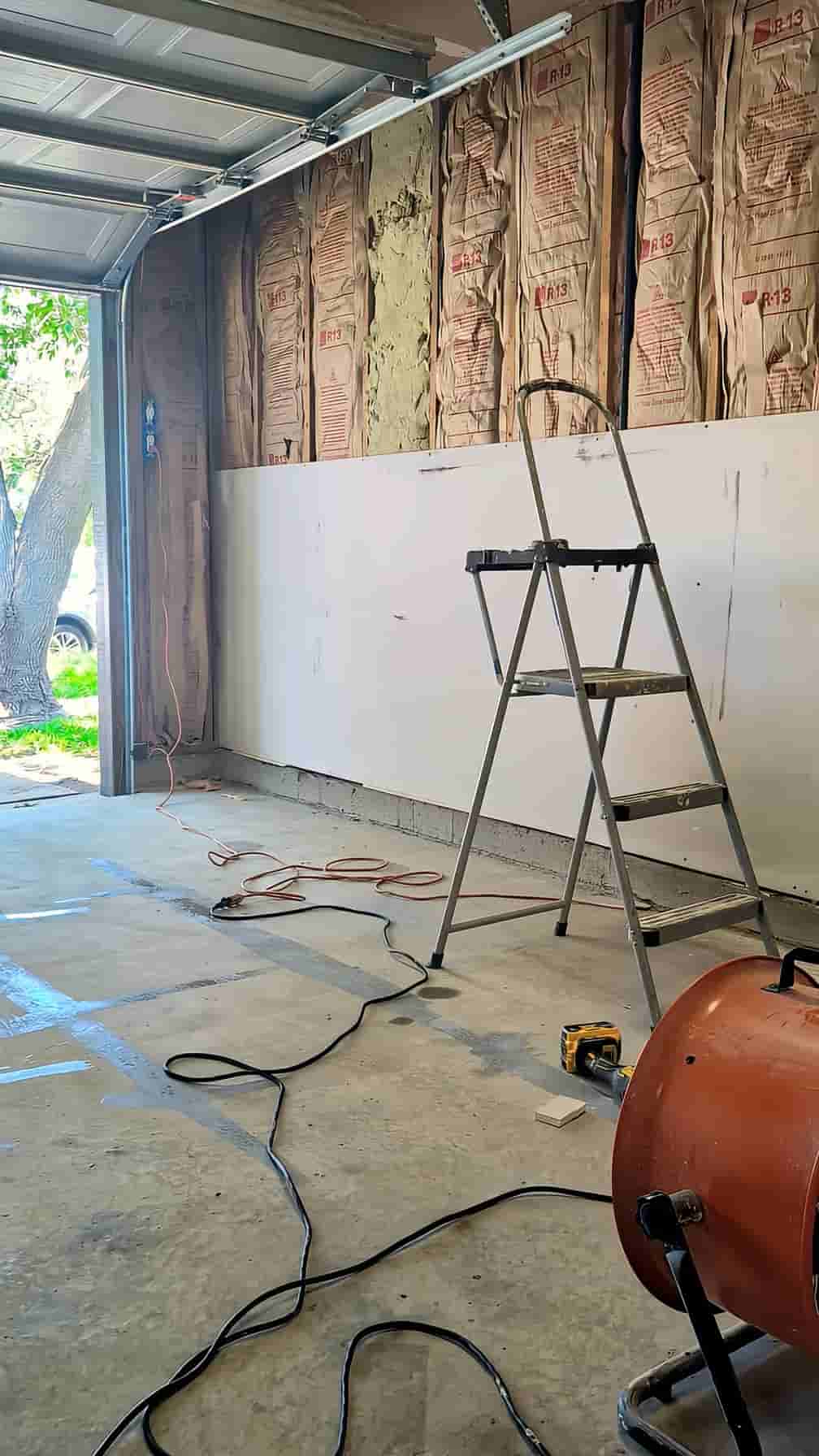
Drywall being hung in an unfinished San Diego garage

This is our most common installation call: a bare-stud garage, about to become a gym, a shop, or just a cleaner space. Garages come with a code requirement most homeowners don't know about. The wall between the garage and the house needs drywall for fire separation, and if there's living space above, the ceiling needs 5/8" Type X.

We hang the right board in the right place so it passes any inspection, including a future buyer's. Most 2-car garages run $2,500–$4,500+ finished, with a firm quote before we start.

  • Full hang, tape and finish for 1, 2 and 3-car garages
  • Fire-rated Type X on shared walls & ceilings where code requires it
  • Finished ready for texture and paint, or hang-only if you're finishing yourself
▣

ADU & Garage Conversion Drywall Installation

New drywall installation in a San Diego garage-to-ADU conversion

San Diego's ADU boom is a big part of our installation work. A garage conversion needs to stop looking and feeling like a garage, and that starts with the right board, hung flat and finished clean.

We install Type X fire-rated drywall where code requires it, like walls shared with the main house, sound-rated assemblies for rental units, and moisture-resistant board in the kitchen and bath. Typical ADU drywall costs $4,000–$10,000+ depending on size and finish level.

  • Detached ADUs, garage conversions and JADUs, hung and finished to inspection
  • Type X fire-rated board on shared garage/living-space walls
  • Sound-rated assemblies available for rental ADUs
  • Sequenced with your electrician, plumber and insulation sign-off
+

Room Additions & Home Remodels

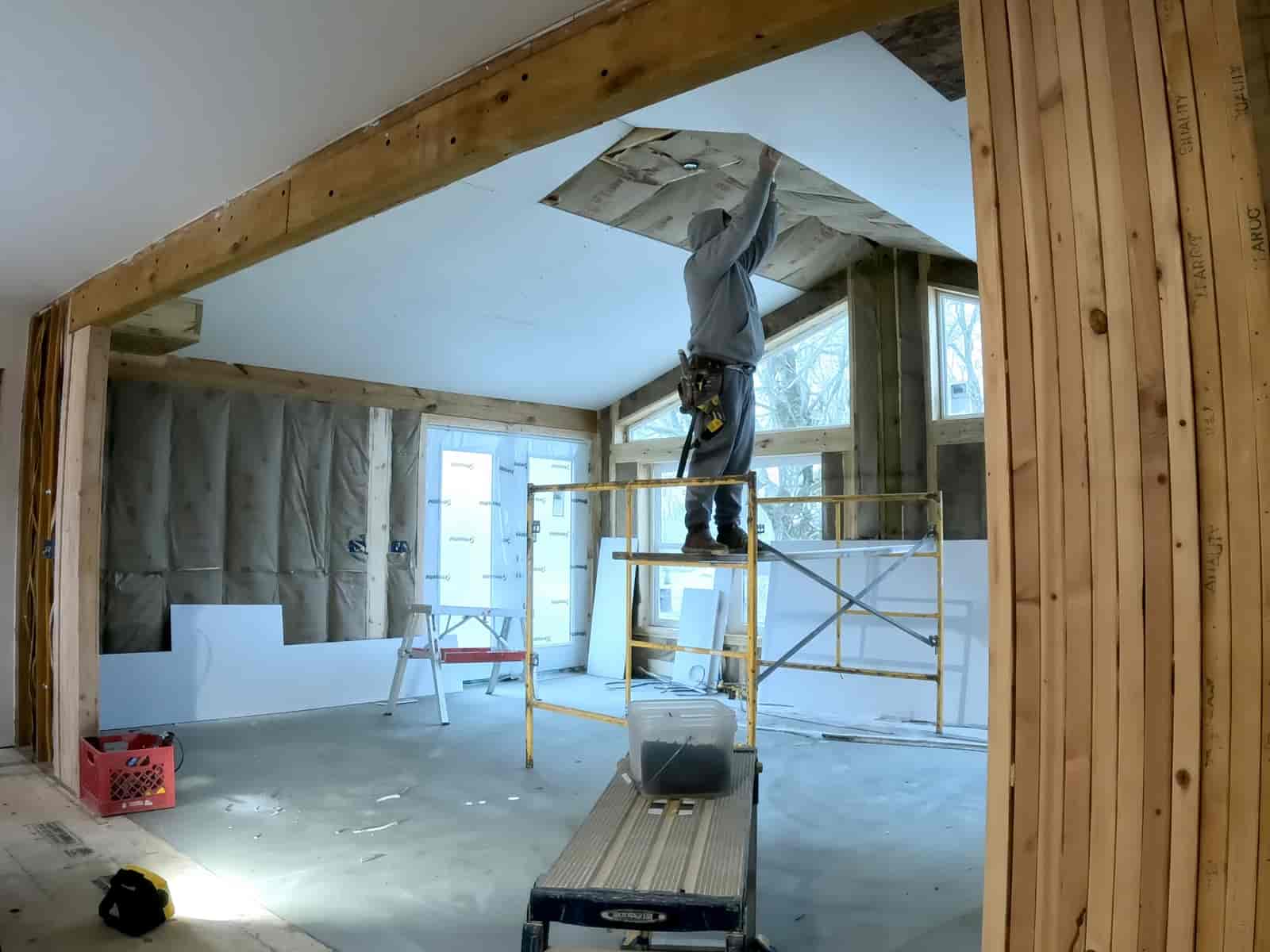
Drywall installation in a San Diego home addition

Additions have a unique challenge: the new drywall has to disappear into a house that's already finished. We match the existing wall texture and finish level so the seam between old and new isn't visible once paint goes on.

For interior remodels, opening up a floor plan or moving a wall, we handle both the demolition of what's coming out and the new drywall going up, with moisture-resistant board and cement board where kitchens and baths need them.

  • New drywall matched to existing texture and finish
  • Interior remodels: wall removal, new framing, and drywall
  • Vaulted, tray, and coffered ceiling drywall
  • Kitchen and bath remodel drywall, moisture-resistant where needed
⌂

New Home Construction & Custom Builds

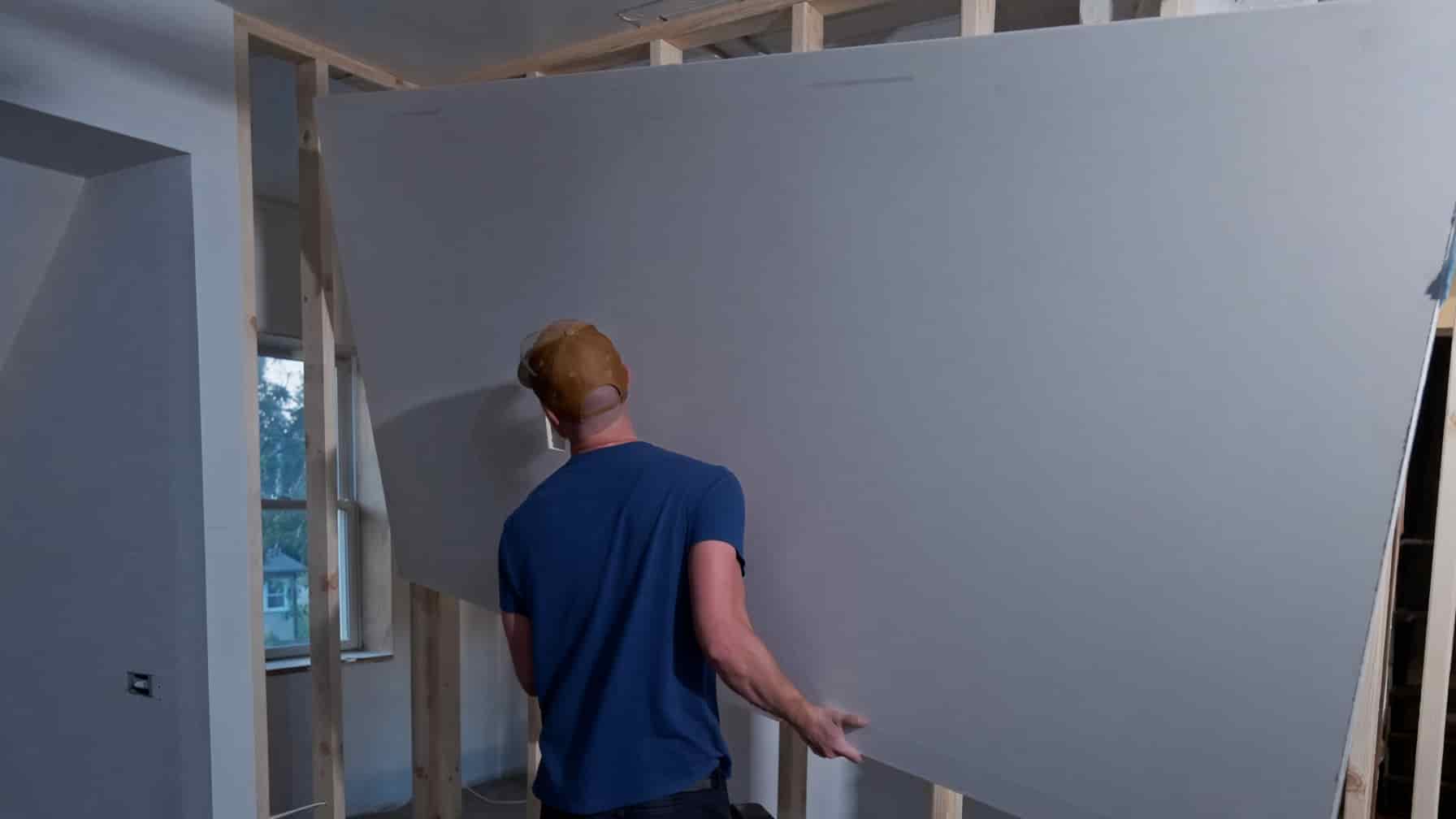
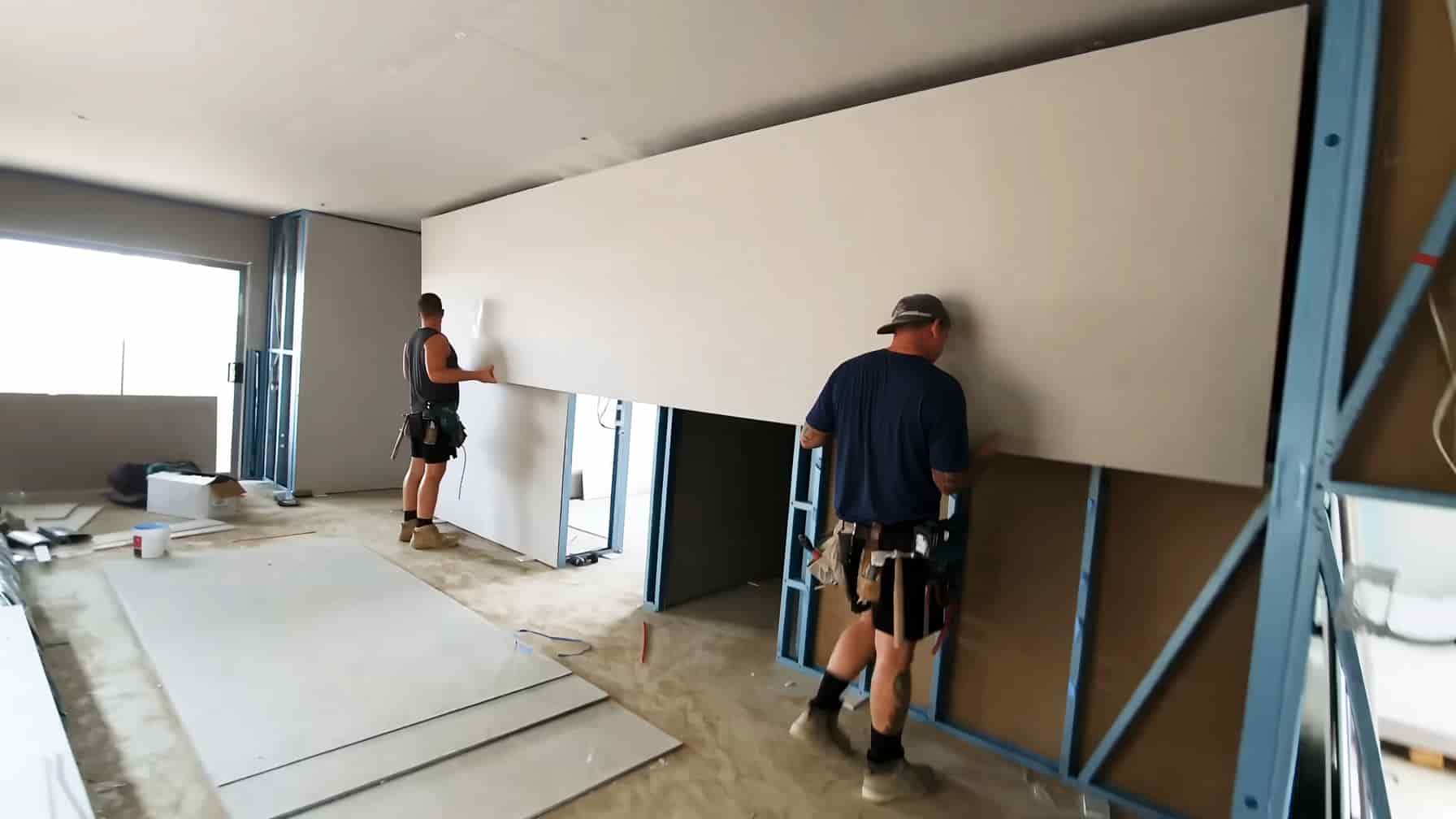
New drywall being hung during new home construction in San Diego

We work directly with owner-builders and alongside your GC's crew, hanging and finishing drywall on the framing schedule your project needs. Standard board where it belongs, moisture-resistant board in wet rooms, fire-rated board wherever code calls for it, and 5/8" on ceilings so they never sag.

We coordinate around your electrical, plumbing, and insulation inspections, since drywall closes everything else up. Miss that sequencing and the whole schedule slips.

  • Full-house hang, tape, and finish for new builds
  • Scheduled around framing, MEP rough-in, and insulation inspections
  • Finish level matched to each room's use and lighting
  • Subcontractor coordination with your builder or GC
▤

Ceiling Drywall Installation

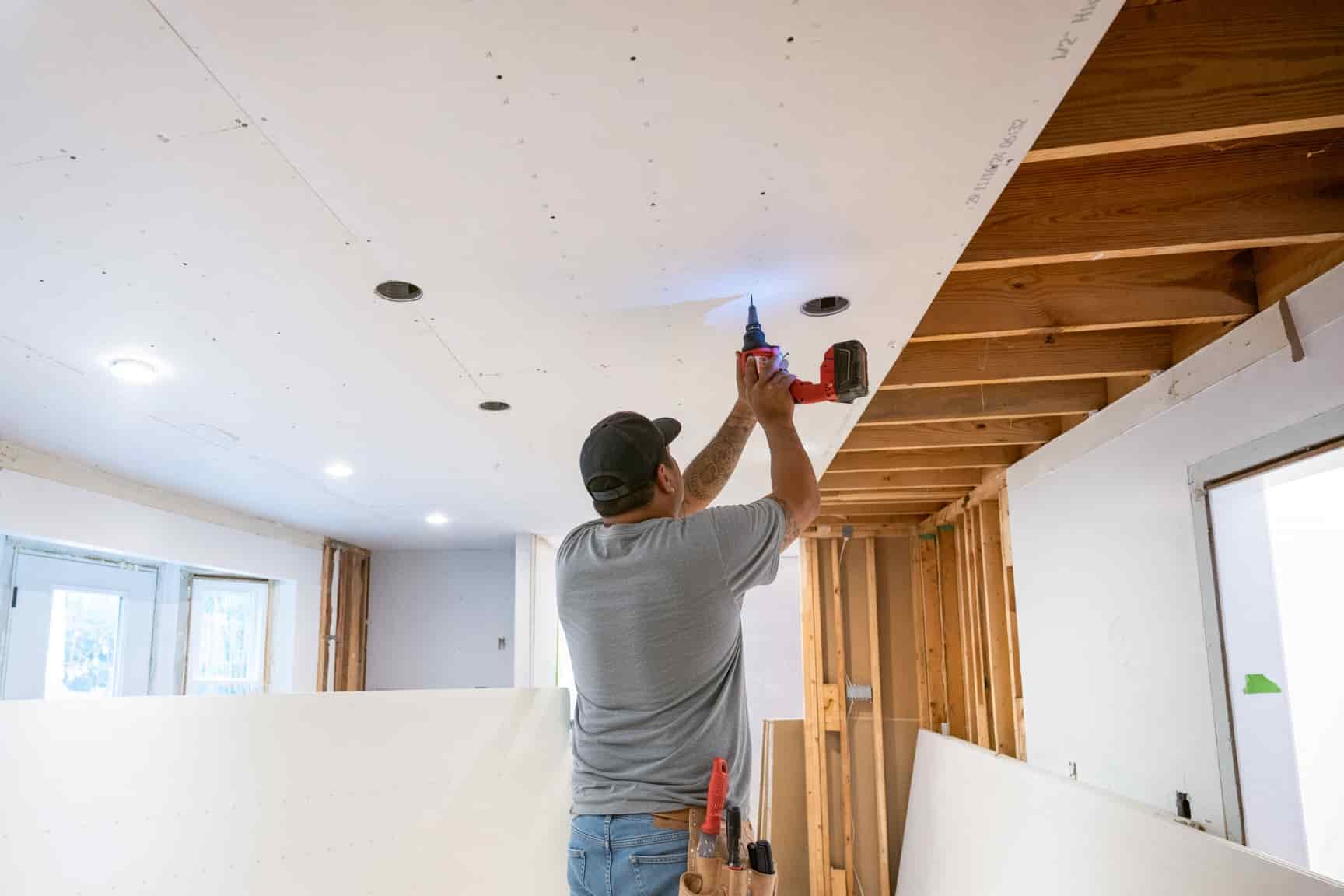
Ceiling drywall being installed in a San Diego home

Ceilings are the hardest drywall to install well. The board goes up overhead on lifts, needs a tighter screw pattern than walls, and light hits every seam, so any flaw up there shows.

That's why we hang 5/8" board on ceilings by default. Half-inch board sags between joists over time, and we see it constantly on ceiling repair calls. The thicker board costs a little more upfront but prevents that entirely. We can also install new ceilings after popcorn removal when scraping isn't the right call.

  • New ceilings for garages, additions, ADUs and remodels
  • Replacement ceilings after popcorn removal or water damage tear-out
  • Smooth, knockdown or orange peel finish, your call
  • 5/8" standard overhead so it never sags or shadows
✚

Whole-House Re-Drywall

Whole-house drywall installation after major renovation in a San Diego home

After major fire or water damage, or during a full gut remodel, sometimes the right call is stripping a house back to studs and starting over. We handle the tear-out, the new hang, and the finish, working room by room so the schedule stays predictable.

Many of San Diego's older homes, the craftsman and Spanish-style houses in North Park, Kensington, and Mission Hills, still have original plaster walls. Most drywall crews won't touch plaster. We do these conversions regularly: tear out the old plaster and lath, hang new board, and finish it to match the character of the house.

  • Full-house drywall after fire, water, or mold remediation
  • Plaster-to-drywall conversions in older homes
  • Room-by-room scheduling to keep the house livable
  • Coordinated with your insurance adjuster's scope where applicable
◎

Soundproof & Sound-Rated Drywall

Sound-rated drywall assembly being installed on a shared wall in San Diego

We install these most commonly for home offices next to kids' rooms, ADU rentals, media rooms, and shared duplex walls. Quieting a wall takes more than one special sheet. It's the whole assembly: insulation inside the wall, sealed edges, and sometimes double board or sound-damping panels like QuietRock.

Specialty board costs several times more than standard board. So we'll tell you honestly which upgrades your wall actually needs, and which ones are not worth the extra spend.

  • QuietRock and double-layer 5/8" assemblies for serious sound control
  • Resilient channel installation for shared walls and ceilings
  • STC-minded assemblies for ADUs, duplexes and multi-family units
◫

Hang-Only & Finish-Only Service

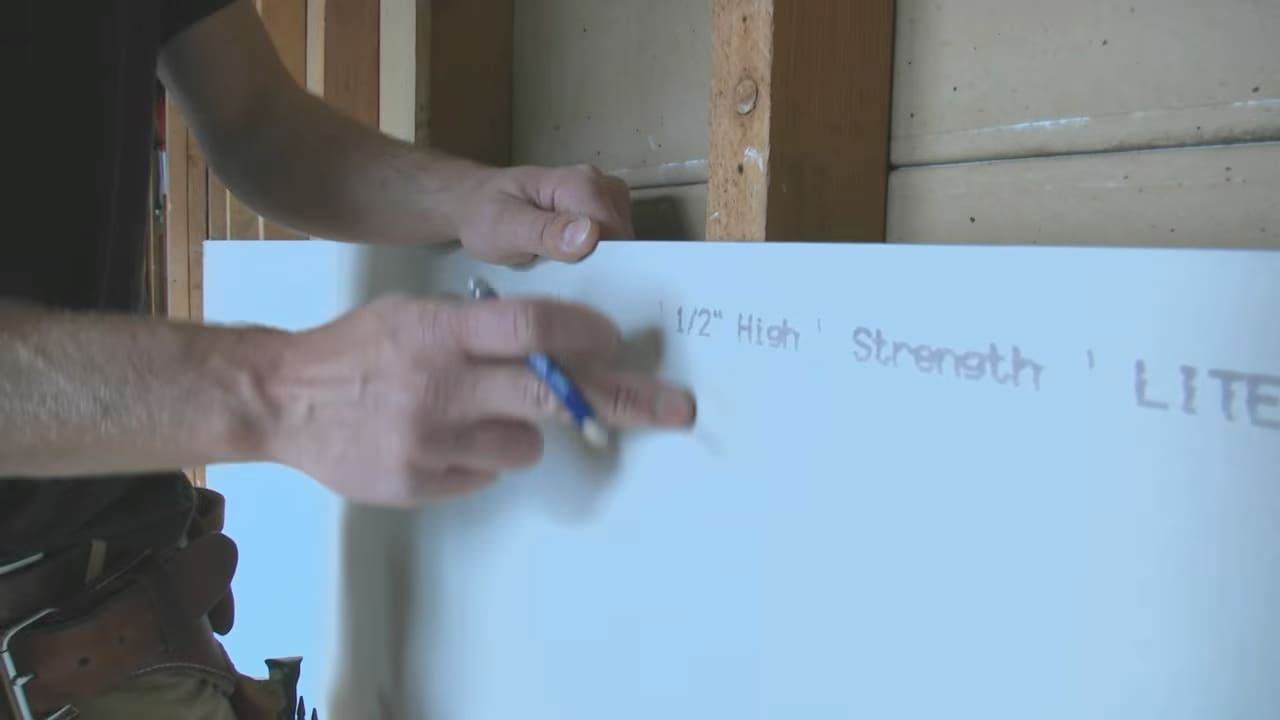
Drywall sheets stocked and being hung in a San Diego project

Not every job needs full service. Some GCs want board hung fast and clean so their own tapers can take over. Some homeowners hung the garage themselves, got to the taping stage, and discovered why finishers exist.

We can do both halves of the trade separately: hang-only at production speed, around $0.80–$1.50+ per square foot, or finish-only where we tape, mud, sand and texture pre-installed board.

  • Hang-only for GCs and owner-builders, priced per square foot or per sheet
  • Finish-only: taping, mudding, sanding and texture on existing board
  • Material takeoffs and board delivery coordination, stocked to each room
  • Honest assessment if DIY-hung board needs rework before finishing
Commercial

Commercial Drywall Installation & Tenant Improvements

Office suites, retail spaces, restaurants, and medical offices across San Diego. Metal stud framing, code-compliant assemblies, and scheduling that respects your business hours.

▦

Commercial Tenant Improvements & Build-Outs

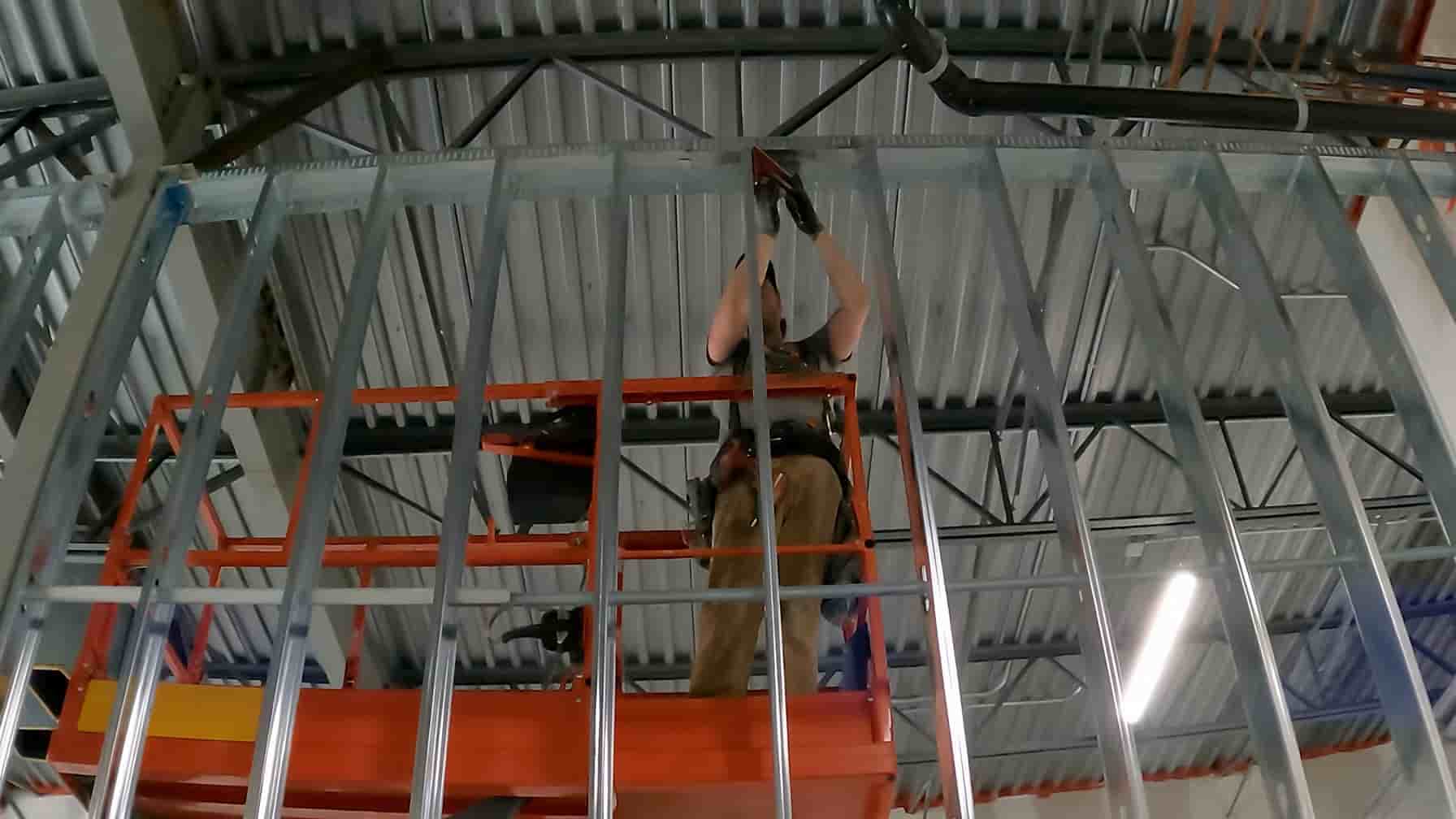
Metal stud framing and drywall installation for a commercial office tenant improvement in San Diego

New office suites need interior partitions built and drywalled fast, usually on a lease clock. We frame in metal stud, hang and finish drywall, and build demising walls between suites to the fire and sound rating your lease or landlord requires.

We work with tenants, brokers, and GCs alike. We show up on the day we're scheduled, keep pace with the other trades, and answer the phone when you call.

  • Metal stud partition framing for office and retail suites
  • Demising walls built to the fire and sound ratings your lease requires
  • Office build-outs: conference rooms, private offices, and reception areas
  • Coordinated with your electrical, HVAC, and ceiling grid trades
◫

Retail & Restaurant Build-Outs

Drywall build-out in a San Diego retail storefront

Retail and restaurant spaces get judged on how the finished walls look under bright storefront lighting, so we default to a smoother finish here than a back-office wall would need. Restaurant kitchens and prep areas also need moisture- and impact-resistant board where health code and daily wear demand it.

We know retail and restaurant timelines are tied to a grand opening date, and we can schedule around your neighbors' operating hours when the space is in an active shopping center.

  • Storefront and sales-floor drywall to Level 4 or 5 finish
  • Moisture- and impact-resistant board for kitchens and prep areas
  • Scheduled around center hours and neighboring tenants
  • Coordinated with your architect's finish schedule
✚

Medical & Dental Office Drywall

Medical offices need more than standard walls. Before any drywall goes up, we walk the plans with your contractor to mark which walls need sound insulation, lead lining, or moisture-resistant board. This way, you pass the inspection without any issues.

  • Private exam rooms: insulated, sound-rated walls so patient conversations stay private.
  • X-ray rooms: lead-lined drywall installed to your shielding plan, with seams and outlets fully covered.
  • Sinks and wet areas: moisture- and mold-resistant board where water is present.
  • Inspection-ready finish: smooth, easy-to-clean walls ready for final inspection and paint.
⌗

Metal Stud Framing & Demising Walls

Most commercial interior walls are built with metal studs instead of wood. Metal stays straight, won't warp or shrink with humidity, and doesn't burn, which many commercial buildings require. Our crew frames the walls and then hangs and finishes the drywall, so one team handles the whole job on one schedule.

Walls between tenant suites, called demising walls, usually need a set fire rating under building code and often a sound rating in your lease. We build the full wall to meet both, including studs, insulation, and layers of board, not just the surface.

  • Partition walls: metal stud framing laid out straight and square to your plans.
  • Demising walls: built to the fire and sound ratings your code and lease call for.
  • Soffits and bulkheads: clean ceiling drops and transitions around ducts and lighting.
  • One crew, start to finish: framing and drywall handled together, so there are no handoff delays.
▤

Multi-Family & Apartment Drywall

We drywall the shared spaces in apartment and condo buildings, including lobbies, hallways, leasing offices, gyms, and clubhouses. On new multi-family construction, we also build the walls between units to meet California's sound rating for shared walls, so neighbors don't hear each other through them.

  • Common areas: clean, durable walls for lobbies, corridors, and amenity spaces.
  • Walls between units: built to California's STC 50 sound requirement and required fire rating.
  • Occupied buildings: dust control, protected floors, and work hours that keep residents and leasing staff undisturbed.
▧

Warehouse & Industrial Office Build-Outs

Many warehouses and light-industrial buildings need finished rooms inside an open shell, such as an office, break room, or showroom. We focus on those interior spaces, so you get a crew that specializes in this work without paying for a full building contractor.

  • Offices and break rooms: framed, insulated, and finished to feel like a real office, not a warehouse corner.
  • Showrooms and reception areas: clean, smooth walls that make a good first impression on customers.
  • Fire-rated walls: rated board where code requires separation between offices and storage or production areas.
  • Working facilities: scheduled and staged around your operations, so shipping and production keep moving.

Who we work with: Whether you're running the job, leasing the space, or managing the building, here's what you can expect from us.

Drywall Subcontractor for General Contractors

Fast bids from your plans, a crew that shows up on the scheduled day, and work finished on time so your next trade can start.

Build-Outs for Business Owners & Tenants

Hire us directly for smaller build-outs. We walk the space with you, explain the scope in plain terms, and plan around your opening date.

Tenant Improvements for Property Managers

Repeat work across your buildings with consistent pricing, one point of contact, and quick turnover between tenants.

How It's Actually Done

Our Drywall Installation Process, Step by Step

Hanging drywall is the easy part. But walls that look perfectly flat, with no visible seams, come from the prep and finishing work most people never see. Here's what we do on every job.

1

Framing Check & Prep

We check that the framing is straight and fix any problems first, since drywall can't hide a crooked stud. We also confirm that electrical, plumbing, blocking for TVs or grab bars, and insulation are done and inspected before anything gets covered.

2

Hanging Drywall

We hang ceilings first, then walls, using full sheets to keep seams to a minimum and away from eye level. Each area gets the right board, whether standard, moisture-resistant, or fire-rated, and every screw is set to pass inspection.

3

Taping Drywall Seams

Every seam gets paper tape fully bedded in joint compound. It's stronger than mesh tape and far less likely to bubble or crack later, especially on ceilings.

4

Installing Corner Bead

Outside corners get metal or vinyl corner bead set perfectly straight, because a wavy corner is one of the first flaws people notice. Inside corners are taped and finished like the seams.

5

Mudding & Sanding

Each seam gets two to three coats of compound, each one wider than the last and fully dry before the next, then sanded smooth. This step can't be rushed, which is why drywall takes days instead of hours.

6

Texture, Final Walk-Through & Cleanup

We match your existing texture or leave walls smooth and ready for paint. Then we walk the job with you, fix anything either of us spots, and clean up and haul away all debris. Every job comes with a written workmanship warranty.

Before the Drywall

Wood vs. Metal Stud Framing: What Does Your Project Need?

Most of the time, the building decides for you. Homes use wood to match the existing structure, and commercial spaces use metal because code and landlords require it.

Wood Framing vs. Metal Stud Framing at a Glance
FactorWood FramingMetal Stud Framing
Best forHomes, remodels, and load-bearing wallsCommercial interior walls and tenant build-outs
SpeedModerate, cut and nailed on siteFast, pre-punched studs screw together quickly
Stays straight?Can warp or bow slightly over timeYes, won't shrink, twist, or absorb moisture
TermitesVulnerable to San Diego's drywood and subterranean termitesTermite-proof
Fire & sound ratingsAchievable with the right board and insulationMost commercial rated wall designs are built on metal stud
CostUsually lower for residential workHigher material cost, often offset by faster labor
When it's requiredDefault for most homesMany commercial buildings require non-combustible framing, and leases often specify it

These are the usual defaults, not hard rules. Downtown high-rise condos use metal stud by code, and many smaller San Diego commercial buildings and mixed-use projects are wood-framed. We frame with both and will confirm which fits your building during the estimate.

Size Up Your Project

How Many Sheets of Drywall Do You Need?

A standard 4x8 sheet covers 32 square feet. To estimate, multiply each wall's length by its height, add the ceiling's length times width, then add about 10% for cuts and waste. Here's how common San Diego projects work out:

Drywall Sheet Estimates for Common Projects
Space Surface Area (walls + ceiling) 4x8 Sheets Needed
10x10 bedroom, 8 ft ceilings ~420 sq ft 14–16 sheets
12x12 room, 8 ft ceilings ~530 sq ft 17–19 sheets
1-car garage (12x20) ~750 sq ft 24–26 sheets
2-car garage (20x20) ~1,040 sq ft 33–37 sheets
480 sq ft ADU ~1,700–1,900 sq ft 55–65 sheets
2,000 sq ft house ~7,000–8,000 sq ft 240–275 sheets

Small openings like doors and windows mostly end up as scrap, so don't subtract them. Large ones, like a garage door, you can. Where the space allows, we hang longer 4x12 sheets for fewer seams and flatter walls. Sheet count is only part of the picture, though. Labor, finish level, and texture drive most of the cost, which we break down below. For an exact number, we'll measure your space during a free estimate.

The Right Board for the Job

Types of Drywall for New Installation

Not every wall needs the same board, and using the wrong one either wastes money or fails an inspection.

Standard 1/2-Inch Drywall

This is the default for most interior walls in dry, normal-use spaces, home or office. It's inexpensive and the right answer for the vast majority of a project. If a quote specs premium board for an ordinary interior wall, ask why.

5/8-Inch Type X Fire-Rated Drywall

Required by code on garage ceilings with living space above, and commonly used between separate dwelling units and on commercial demising walls. We also default to 5/8" on ceilings even where code doesn't ask, because it spans joists without the slow sag half-inch ceilings develop. The small upcharge per sheet is worth it vs. failing inspection, or a ceiling that sags in year fifteen.

Moisture-Resistant Drywall (Green Board) & Cement Board

Regular drywall breaks down when it gets damp. We use moisture-resistant board in rooms with steam or humidity, like bathrooms and laundry rooms. We use cement board where tile will get wet directly, like showers and restaurant kitchens. In coastal homes, where the marine layer keeps humidity high, we recommend moisture-resistant board in more rooms.

Soundproof Drywall

This is worth it for ADUs you'll rent out, shared walls in multi-family buildings, conference rooms, and home offices. Specialty sheets cost several times more than standard board, so we'll tell you honestly whether your wall needs it or whether standard board with proper insulation and sealing gets you most of the way there.

Impact-Resistant Drywall

Reinforced board for high-traffic commercial corridors, break rooms, and areas that take daily wear from carts, foot traffic, and furniture. Standard board dents and cracks in these spots faster than the rest of the building, so it's worth the upgrade where it actually gets used hard.

Exterior Gypsum Sheathing & Soffit Board

Some outdoor areas need gypsum board made to handle weather. We install exterior sheathing on walls before stucco or siding goes on, and soffit board on covered ceilings like porches, patios, and roof overhangs. Indoor drywall used in these spots will sag, stain, or break down, so getting the right product matters.

When we quote a job, we spec the board each wall actually needs and explain why, so you can hold any bid, including ours, to the same standard.

Level 0 Through Level 5

Drywall Finish Levels, Explained

This is the single biggest reason two drywall installation quotes for the same room come back at different prices. Once you know which level your space needs, you can compare bids apples to apples.

Drywall Finish Levels 0–5 for San Diego Homes and Businesses
LevelWhat It Looks LikeWhere It Belongs in San Diego
Level 0–1 Bare or lightly taped board, visible seams and screws Attics, crawl-space access, and areas above ceilings. Level 1 fire-taping is also the minimum on fire-rated assemblies, such as the wall between an attached garage and the house.
Level 2 Seams taped and roughly coated, joints still visible Unfinished garages, storage rooms, and walls that will be covered with tile. You'll often see this in the attached garages of tract homes in Mira Mesa, Clairemont, and Chula Vista.
Level 3 Joints covered, but not smooth enough to leave without texture Walls that will get heavy knockdown or spray texture. Many homes built in the 1970s through 1990s in Rancho Bernardo, Mira Mesa, and Carmel Valley have this look. It's also a good choice when a patch needs to match the texture around it.
Level 4 Smooth and even under normal light The standard finish for most San Diego homes, offices, and remodels. It's also the usual choice for garage conversions and ADUs. It works well with a light orange peel texture or with flat and eggshell paint.
Level 5 Completely flat, with no seams showing even in bright light Smooth modern walls, dark or glossy paint, and storefronts or lobbies. It's also a smart choice for coastal homes in La Jolla, Del Mar, Point Loma, and Encinitas, where big windows let in bright ocean light that shows every flaw.

San Diego lighting note: San Diego gets strong, direct sun most of the year. When afternoon light hits a wall at a low angle, it can show seams that a Level 4 finish would hide in a cloudier climate. Ask for Level 5 if your wall faces west, will have smooth walls or dark paint, or will be lit by recessed lights. Whatever level you choose, make sure it's written on every quote you compare. For a detailed deep-dive, see our drywall contractor page.

Typical Pricing

Drywall Installation Cost in San Diego (2026)

Homes and commercial spaces are priced differently. These are typical San Diego ranges, so you know what to expect before quotes come in.

Drywall Hang & Finish (Level 4)
$2.50–$4.50/sq ft

Materials and labor, about $80–$145 per 4×8 sheet

2-Car Garage Drywall
$2,500–$4,500

About 1,000 sq ft of walls and ceiling, finished

ADU / Garage Conversion
$4,000–$10,000+

Includes fire-rated board where code requires it

Office build-out & Tenant improvement (TI)
$3.50–$8.00+/sq ft

Drywall, metal stud framing included

Residential Drywall Installation Costs in San Diego
ProjectWhat's IncludedTypical Cost
Hang & finish, Level 4
Standard finish
New drywall hung, taped, and finished smooth. This is the standard for most San Diego homes. $2.50–$4.50/sq ft
Level 5 smooth upgrade
Bright light & dark paint
A thin skim coat over the whole wall, added on top of Level 4. Common in coastal homes with lots of sun. +$0.50–$1.00/sq ft
5/8" Type X fire-rated board
Garage ceilings & ADUs
Required on a garage ceiling when there's a bedroom or living space above it. Often used between an attached ADU and the main house. +$0.25–$0.50/sq ft
Standard room (12'×12')
Walls & ceiling
About 530 sq ft of drywall once you count all four walls and the ceiling. $1,300–$2,400
2-car garage
Walls & ceiling
About 1,000 sq ft of drywall. Includes fire-rated board where code requires it. This is one of the most common jobs we quote. $2,500–$4,500
ADU or garage conversion
Full hang & finish
All drywall for the unit, with fire-rated and sound-rated walls where code requires them. $4,000–$10,000+
New home construction
Whole house
Every room hung, taped, and finished. A 2,000 sq ft home usually has 5,000–8,000 sq ft of drywall. Larger jobs get a lower price per square foot. $2.25–$3.50/sq ft
Whole-house re-drywall
After major damage or a full remodel
Old drywall removed and hauled away, then new drywall hung and finished. Price shown is for a typical 1,500–2,500 sq ft home. $12,000+
Hang only
You or your taper finish it
Drywall delivered, carried into each room, and screwed to the framing. It's left ready for tape. $0.80–$1.50/sq ft
Finish only
Tape, mud, sand, texture
We tape and finish drywall someone else hung, up to Level 4 plus texture. Owner-hung drywall sometimes needs extra screws first. $1.50–$3.00/sq ft
Commercial Drywall Installation Costs in San Diego
ProjectWhat's IncludedTypical Cost
Metal stud framing
Non-structural walls
Interior walls framed with metal studs, up to about 10 feet tall. Framing only, no drywall. $8–$16/linear ft
Office suite tenant improvement
Framing, drywall & finish
New office walls framed, drywalled, and finished to Level 4. Priced per square foot of drywall. $3.50–$6.50/sq ft
Retail or restaurant build-out
Higher finish & specialty board
Level 4 or 5 finish, with moisture-resistant or impact-resistant board where needed. $4.00–$8.00+/sq ft
Demising wall
Wall between tenant spaces
The wall that separates one business from the next, like two shops in a strip center or two offices on the same floor. It usually runs all the way up to the roof, and it's built to slow fire and block noise between neighbors. The price depends on how tall it is and how many layers of drywall code requires. Quoted per project
Medical or dental suite
Sound-rated walls
Exam and treatment room walls built for privacy, coordinated with plumbing and equipment. $5.00–$9.00+/sq ft
Apartment and condo common areas
Lobbies, hallways, amenity rooms
New or updated drywall in shared spaces of multifamily buildings. $3.50–$6.00/sq ft

All prices include labor and materials. Commercial prices vary more than residential because ceiling height, building rules, and after-hours work can change cost.

Why Is One Drywall Quote Higher Than Another?

  • Framing type. Metal studs usually cost more than wood framing. They go up faster and stay straighter over time, which is why most San Diego commercial spaces use them.
  • Finish level. Level 5 costs more than Level 4 because the whole wall gets a skim coat, not just the seams.
  • Fire and sound ratings. A rated wall needs the right type of board, the right number of layers, and sealed gaps. A thicker sheet alone doesn't meet the rating.
  • Ceiling height and access. Vaulted or 12-foot-plus ceilings often add 15–30% to the price. Hillside homes, tight stairwells, and upper floors also take longer to stock and hang.
  • Job size. Setup, delivery, and cleanup cost about the same on every job. On a whole house those costs are spread out. On one small room they aren't, so small jobs cost more per square foot.
  • Scheduling. Night or weekend work in an open store or occupied office costs more than daytime work in an empty space.

What our installed price includes: drywall, delivery, carrying it into each room, hanging, screws placed to pass inspection, paper tape and mud on every seam and corner, corner bead, three coats sanded to Level 4, your choice of texture, and full cleanup with all debris hauled away. The only things left are primer and paint, which we can also add on. If another quote is much lower, ask which of these steps it leaves out. Estimates are always free: (619) 825-1802.

What to Expect

How Long Does Drywall Installation Take in San Diego?

Joint compound needs time to dry between coats. It's the one step that can't be rushed, because rushing it is how new walls crack. Here's how long typical San Diego projects take.

Typical Drywall Installation Timelines in San Diego
ProjectTypical TimelineWhy It Takes That Long
Single room addition 4–7 working days over 1–2 weeks One day to hang. Then three coats of mud, with drying time after each one, followed by sanding and texture.
2-car garage 4–5 working days One day to hang. The rest of the time goes to finish coats, drying, sanding, and texture.
ADU or garage conversion 2–3 weeks There's more drywall to hang and finish. Fire-rated walls often need an inspection before taping, so the schedule depends on when the inspector can come out.
New home construction 3–5 weeks for drywall Drywall can't start until framing, electrical, plumbing, HVAC, and insulation pass inspection. We then work through the house room by room.
Small office build-out
Under 2,000 sq ft
1–3 weeks Depends on how many walls are being built and whether we can work during the day or only after hours.
Retail or restaurant build-out 2–5 weeks These spaces often need a smoother finish and special board. Drywall also has to fit around other trades, like electricians and kitchen installers.

How San Diego Weather Affects Drying Time

San Diego's weather changes a lot from the coast to inland areas, and that changes how fast drywall mud dries. We plan each coat around the conditions at your home.

  • Near the coast in May and June. "May Gray" and "June Gloom" bring damp, foggy mornings to areas like La Jolla, Pacific Beach, Point Loma, and Encinitas. Mud dries more slowly, so a coat can take an extra day.
  • Inland in summer. In hot, dry areas like El Cajon, Santee, Escondido, and Poway, mud dries quickly. That speeds things up, but mud that dries too fast can shrink or crack, especially in a hot garage. We adjust the mix and timing to prevent it.
  • During Santa Ana winds. Fall Santa Anas bring very dry air across the county. Drying is fast, and we keep doors and windows managed so the surface doesn't dry unevenly.

Inspections Can Affect Your Schedule

On permitted work like additions, ADUs, and new homes, some steps have to pass inspection before drywall can move forward. Who inspects your project depends on where you live. The City of San Diego, cities like Chula Vista, Carlsbad, and Oceanside, and unincorporated areas of the county each schedule their own inspections. We'll tell you which inspections your project needs and build them into the timeline.

Codes & Inspections

Drywall Permits, Code & Inspections in San Diego

Most new drywall in San Diego is part of a bigger permitted project, like a room addition, an ADU, a garage conversion, or a commercial build-out. That work gets inspected before the walls are closed up.

Who handles your permit. San Diego County doesn't have one building department. If you live in the City of San Diego, your permit and inspections go through the City's Development Services Department. Cities like Chula Vista, Carlsbad, Oceanside, Escondido, and El Cajon each run their own. Unincorporated areas, such as Ramona, Alpine, Lakeside, Spring Valley, and Fallbrook, go through the County. Rules and inspection wait times can differ between them, so we check which one covers your address before we schedule anything.

Inspections before drywall goes up. Framing, electrical, plumbing, and insulation all need to pass inspection before we hang drywall. Once the board is up, that work is hidden. If drywall goes up too early, it may have to come back down, which is expensive. We set our start date around your inspection schedule so we're never the reason a project stalls.

The drywall inspection. When drywall is part of a fire-rated wall or a shear wall, the inspector checks it after it's hung but before any tape or mud goes on. They look at the type of board and how the screws are spaced. We hang every sheet to pass this check, and we don't start taping until it's signed off.

Fire-rated drywall. This comes up most often in San Diego garage conversions, ADUs, and homes with a room over the garage. California code requires at least 1/2" drywall on the garage side of the wall shared with the house. If there's a bedroom or other living space above the garage, the garage ceiling needs 5/8" Type X fire-rated drywall. Walls between an attached ADU and the main house, and walls between commercial tenants, usually need a fire-rated wall system too. Your approved plans will show exactly what's required.

Sound-rated walls. In apartments, condos, and other buildings with more than one unit, California code sets a minimum level of soundproofing for the walls and floors between units. Meeting it takes more than just the drywall. The insulation, the number of drywall layers, and how gaps are sealed all count.

Older homes and asbestos. Many San Diego homes were built before 1980, when some joint compound and popcorn ceilings contained asbestos. If your project means removing old drywall or ceilings in an older home, have the material tested before work starts. If asbestos is found, it has to be removed by a certified abatement company before we can begin.

Licensing. In California, drywall work over $1,000 in total labor and materials must be done by a licensed contractor. A license is also required for any job that needs a building permit, no matter the price. Look for a C-9 Drywall license, or a B General Building license that covers the work. You can check any contractor's license for free on the Contractors State License Board (CSLB) website before you hire. We're fully licensed and insured for every project on this page, and we're happy to share our license number and proof of insurance with your quote.

One thing to keep in mind: requirements depend on your project and where you live in the county. The final word always comes from your approved plans and your inspector. What we bring is over a decade of experience to build what they'll check for, and pass the first time.

Honest Advice

Can I Install Drywall Myself?

For a small wall or a closet, you can DIY with the right tools and get a decent result. But bigger jobs get much harder, and that's where DIY drywall installation usually runs into trouble.

Ceilings are dangerous to hang alone. A 4×8 sheet of 1/2" drywall weighs about 50 pounds, and 5/8" fire-rated board is even heavier. Holding a sheet overhead while you drive screws takes at least two people or a rented drywall lift. This is where most DIY projects stall or end with a dented ceiling.

Smooth seams take practice. Making seams disappear takes a skill most people haven't built yet. Also, most flaws don't show until the primer goes on. By then, fixing them usually means sanding down and redoing coats which takes more time and material cost.

Matching San Diego texture is hard. Many homes here, especially tract homes from the 1970s–1990s, have knockdown or orange peel texture. If your new wall sits next to an old one, the texture has to match or the new section will stand out. Getting the right look takes the right mix, spray pressure, and timing, and it's one of the hardest parts to get right on a first try.

Heat makes mud harder to work with. In inland areas like El Cajon, Santee, and Escondido, a closed garage in summer can get very hot. Mud dries faster than a beginner can smooth it, which leads to ridges and cracks. If you're doing it yourself, try to work early in the morning or in cooler months.

Permitted work still has to pass inspection. California lets homeowners pull an owner-builder permit and do their own work. But the inspector holds your walls to the same standard as a contractor's. That matters most in garage conversions and ADUs, where fire-rated walls are common. If a wall fails, it may have to be opened back up, which costs more than hiring it out the first time.

Our honest rule: one small wall with no code requirements, go for it. If the job involves a ceiling, a fire-rated or sound-rated wall, texture matching, or more than one room, hiring a pro will usually cost less than redoing it. Already hung the drywall yourself and stuck on the taping? We offer a finish-only service to help you complete the job.

Before You Hire Anyone

How to Choose a Drywall Contractor in San Diego

New drywall has to pass inspection, not just look good. That's why these questions matter. It's the same checklist we'd give a family member.

Check the license. Look up the contractor on the CSLB website. They should have an active C-9 Drywall license or a B General Building license, a current bond, and current workers' comp. If an uninsured worker gets hurt on your property, you could end up paying for it. We're licensed and insured, and we include proof of both with every quote.

Make sure the quote names the drywall. A good quote lists the type and thickness of board and where each one goes. "Drywall the garage" isn't enough. "1/2" drywall on the walls, 5/8" Type X on the ceiling under the bedroom, Level 4 finish, knockdown texture" is a real scope. That's how every one of our quotes is written.

Get the finish level in writing. One contractor's "drywall installation" might mean Level 3. Another's might mean Level 5. That difference explains most of the price gap between two bids for the same room. Our quotes always state the finish level, so you can compare bids fairly.

Ask about fire-rated drywall on garage conversions and ADUs. A good contractor will bring up Type X drywall before you ask. Getting it wrong is the most expensive mistake to fix, because a failed inspection can mean tearing out a finished wall.

Ask if they know your local inspection process. The City of San Diego, cities like Chula Vista and Carlsbad, and unincorporated county areas each run their own inspections. We work across San Diego County, know what each one checks, and schedule our work around your inspections.

Ask to see texture matching work. If your home has knockdown or orange peel texture, like many San Diego homes built from the 1970s to the 1990s, new walls need to blend in. Ask for photos of patches or additions they've matched in similar homes. We're happy to show you ours.

For commercial work, ask about metal studs and scheduling. Building fire- and sound-rated walls between tenants takes different skills than home framing. If your business or your neighbors need to stay open, ask whether they've done after-hours work. Many office buildings in areas like downtown and UTC also require proof of insurance and set rules for deliveries and work hours, so ask whether they've worked under those rules before.

Choose a firm price over hourly. Drywall has built-in waiting time while each coat dries. With a firm, per-job price, the contractor takes on the risk of delays, not you. Every job we quote is a firm price. Call (619) 825-1802 for a free estimate.

Local Knowledge

Drywall Installation Across San Diego County

ADUs & Garage Conversions in Southeastern San Diego, City Heights & the College Area

These neighborhoods see a lot of ADU permits, and many are garage conversions. We handle the full drywall scope, including the fire-rated wall between the unit and the house, and build it to pass inspection the first time. That keeps your project on schedule so you can get a tenant moved in sooner.

Garage Drywall in Mira Mesa, Santee & Rancho Peñasquitos

Many tract homes here were built with unfinished garages, with the studs still showing. We hang and finish the walls and ceiling, then match your home's original orange peel texture so the garage blends in with the rest of the house. It's one of the most affordable ways to add usable, finished space.

New Home Construction in Otay Ranch, Del Sur & Pacific Highlands Ranch

For builders in these master-planned communities, we hang, tape, and finish drywall on schedule, working room by room around framing, electrical, plumbing, and HVAC inspections. With many similar floor plans, we keep the finish consistent from house to house so nothing holds up closing.

Office & Retail Build-Outs in Kearny Mesa, Mission Valley & Sorrento Valley

We frame with metal studs, hang drywall, and finish office, retail, and light-industrial spaces, including Downtown's East Village. Landlords here often require specific fire and sound ratings for the walls between tenants, and we build to those exact specs. We can also work after hours so your business or your neighbors stay open.

Remodels & Additions in North Park, Kensington & La Jolla

Many older craftsman homes here, including in nearby South Park, still have original plaster walls. We tie new drywall into them so the seam between old and new disappears. For coastal remodels, we offer the Level 5 smooth finish most homeowners ask for, the same standard our La Jolla popcorn ceiling removal clients expect.

Coastal Homes in Carlsbad, Encinitas & Point Loma

We install drywall in new builds and remodels near the coast. We use moisture-resistant board in bathrooms, laundry rooms, and other damp spaces, and time each finish coat around foggy mornings so it dries properly.

We cover all of San Diego County, from Chula Vista up through Carlsbad and Oceanside, inland to Escondido, Poway, and San Marcos, and east through El Cajon, Santee, and Lakeside. If you don't see your area, call anyway: (619) 825-1802.

Why Choose Us

Local Drywall Installation Company with 15+ Years of Experience

Hi, I'm Dave. My dad hung drywall on new construction crews across San Diego for years before I took over. A good share of what we do in a given week is still new drywall going up on framing, whether that's an ADU, a home addition, or a tenant improvement.

We Know What San Diego Inspectors Check For

Fifteen-plus years of San Diego permits means we know exactly what a rough-framing inspector checks before drywall goes up, and exactly what gets checked before it can be taped, textured and painted. Fire-rated board where code requires it, like garage ceilings under a bedroom, sound assemblies between units, screw patterns to the fastener schedule, corner bead set true. We build to that standard from the first sheet, not just the last one, which is why our jobs don't get held up waiting on a second inspection visit.

Drywall Installed Right the First Time

We take real pride in our installation work, in part because we also do drywall repair and ceiling repair. On those calls, we often see what happens when an install is rushed: ceilings sagging, seams cracking over doorways, and regular drywall falling apart next to a shower. So when we install, we do it the way we'd want it done in our own home. That means the right board for each room, the right screws and spacing, paper tape on the seams, and enough time for each coat to dry.

Residential & Commercial Drywall Installation

We work directly with homeowners on garages, additions and ADUs, alongside general contractors on new construction, and directly with tenants and property managers on commercial build-outs. Same firm written price, same crew from estimate to final walk-through.

  • Free, Fast Estimates
  • Residential & Commercial
  • Wood & Metal Stud Framing
  • Licensed & Insured
  • Written Workmanship Warranty

Ready to Get Your Drywall Installed Right?

Free, fast estimates for residential and commercial projects across San Diego.

Questions We Hear Every Week

San Diego Drywall Installation FAQs

What is the average cost to install drywall in San Diego?

Most drywall installation in San Diego costs $2.50 to $4.50 per square foot to hang, tape, and finish to Level 4. That's about $80 to $145 per 4×8 sheet, including labor and materials. Larger jobs land near the low end, and small jobs land near the high end. Metal stud framing, fire-rated board, high ceilings, and a Level 5 smooth finish all add to the price. See our drywall cost table for common projects. We always give a free, firm quote before we start.

How much would it cost to drywall a 12x12 room?

Drywalling a 12x12 room in San Diego usually costs $1,300 to $2,400. That covers the walls and ceiling, hung, taped, finished, and textured. A 12x12 room with 8-foot ceilings has about 530 square feet of drywall, or 17 to 19 sheets. Taller ceilings, a Level 5 smooth finish, or tricky access will push the price toward the top of the range.

How much does it cost to drywall a 2-car garage?

Most 2-car garages in San Diego cost $2,500–$4,500 to hang, tape, finish, and texture. A typical 20×20 garage has about 1,000 square feet of walls and ceiling, and fire-rated Type X board is included where code requires it.

Where your garage lands in that range depends on a few things:

  • Size and ceiling height. Taller walls or a deeper garage mean more drywall. A 3-car garage often runs $3,500–$6,000.
  • Finish level. A basic taped finish for a work garage costs less. A smooth, textured finish that matches the rest of the house costs more.
  • A room above the garage. If there's a bedroom or living space overhead, the ceiling needs 5/8" fire-rated board, which adds a little to the cost.
  • What's in the way. Working around water heaters, electrical panels, garage door openers, and built-in cabinets takes more time.
  • Old drywall. Removing damaged or partial drywall first adds labor and disposal costs.

If you or your finisher want to take over after the drywall is up, hang-only usually costs about $800–$1,500 for a 2-car garage.

How much does it cost to install sheetrock in a 2,000 square foot house?

For new construction in San Diego, drywalling a 2,000 square foot house usually costs about $11,000 to $28,000+. A house that size has about 7,000-8,000 square feet of drywall once you count every wall and ceiling. Whole-house jobs usually cost $2.25 to $3.50 per square foot, less than a single room, because setup and delivery are spread over more space.

High or vaulted ceilings, Level 5 finishes, and fire-rated walls push the price up. If you're replacing drywall in an existing home, removing the old drywall adds to the cost. See our drywall cost table for whole-house re-drywall pricing.

How long does drywall installation take?

A single room addition usually takes 4 to 7 working days spread over 1 to 2 weeks, because compound needs to dry between coats. A 2-car garage takes 4 to 5 working days, a full ADU or garage conversion runs 2 to 3 weeks, and whole-house new construction usually takes 3 to 5 weeks for drywall alone, sequenced around other trades' inspections.

Do I need fire-rated drywall for my garage conversion or ADU?

Yes, in most cases. California code requires at least 1/2" drywall on the garage side of any wall shared with the house, and 5/8" Type X fire-rated drywall on the garage ceiling when there's a bedroom or living space above it. Walls between separate dwelling units typically need a fire-rated assembly too. Your approved plans will spell out exactly what's required, and it's one of the first things inspectors check.

Residential Drywall Installation

How many sheets of drywall do I need for a 12x12 room?

A 12x12 room with 8-foot ceilings has roughly 530 square feet of surface: 384 on the walls plus 144 on the ceiling. At 32 square feet per 4x8 sheet, that's about 17 sheets, and we'd order 18–19 to cover cuts and waste. Don't subtract windows and doors from your math, their cutouts mostly become waste anyway. Our sheet table covers other common sizes.

Should I use 1/2 inch or 5/8 inch drywall?

Half-inch is the standard for most walls on 16-inch framing. We use 5/8" wherever fire code requires Type X, and by default on ceilings, because it spans between joists without the slow sag that half-inch ceilings develop, especially under attic insulation. The material upcharge is small compared to the sagging-ceiling repair we see constantly fifteen years down the road.

Can you install drywall over existing drywall or plaster?

Sometimes, and it can be a smart move. Overlaying board over battered plaster in a North Park craftsman avoids a brutal demo, and a second layer of 5/8" is a legitimate soundproofing upgrade on a shared wall. The tradeoffs are real though: outlets need box extensions, trim gets shallower, and any moisture problem underneath gets sealed in rather than solved. We'll look at your walls and recommend overlay or tear-out honestly.

Can you match new drywall finish to my existing walls?

Absolutely, when new drywall ties into existing walls, whether it's an addition meeting the original house or a remodel opening up a floor plan, we match the existing texture and finish level so the seam between old and new disappears.

Do you install drywall ceilings after popcorn removal?

All the time. Some popcorn ceilings scrape and refinish beautifully. Others, especially water-damaged or previously-painted ones, are faster and cleaner to re-board entirely: new 5/8" replacing the old lid, finished smooth or textured. If you're weighing scrape versus re-board, our popcorn ceiling removal page covers it, or call and describe your ceiling.

Do you install soundproof or acoustic drywall for ADUs?

Yes. This matters most for ADUs you're renting out and shared walls in multi-family buildings. California's building code actually requires a minimum sound rating between separate dwelling units. We can spec standard board with proper insulation for moderate needs, or dedicated soundproof board and resilient channel where noise control really matters.

Commercial Drywall & Build-Outs

Do you do metal stud framing?

Yes, we do this in addition to drywall. Most commercial tenant improvements and many ADU or garage conversions need new interior walls framed before drywall goes up. We frame in metal stud, then hang, tape, and finish on top, so you're not coordinating two separate contractors for one wall.

What is a demising wall?

A demising wall separates one tenant's suite from the next. Most commercial leases specify a fire rating and sometimes a sound rating for that wall. We build the full assembly, framing, insulation, board layers, and sealing, to match your lease requirement, not just drywall on the surface.

What size commercial projects do you take on?

Mostly small to mid-size tenant improvements: single-suite office build-outs, retail and restaurant spaces, medical and dental offices, and interior partition work for multi-family buildings. For a large ground-up commercial build or multi-story core-and-shell job, we'll tell you honestly whether it's a fit.

Do you work nights or weekends for occupied commercial spaces?

Yes, this comes up often with retail and restaurant where the space or the unit next door needs to stay open during business hours. We schedule the noisy or dusty phases, framing and hanging, around your operating hours.

Do you coordinate with our general contractor or architect?

Regularly. We work as a drywall and framing sub on GC-managed projects, following the plan set, the finish schedule, and the overall project timeline, and we communicate directly with your PM or site super to stay on schedule. GCs can send plans to (619) 825-1802 for a fast bid turnaround.

Cost, Permits & Licensing in San Diego

How do I find the best drywall company in San Diego?

A reputable drywall company should have an active California license you can check on the CSLB website, carry insurance, and give you a written quote that lists the drywall type, finish level, and texture. Ask for photos of similar work, especially texture matching if your home has knockdown or orange peel. Also ask whether they know your city's inspection process. Our hiring checklist covers every question to ask. We're licensed and insured, and we're happy to be measured against every item on it.

Can a handyman install drywall in California?

Only on small jobs. In California, someone without a contractor's license can only take on work under $1,000 in total labor and materials. The job also can't need a building permit, and they can't have employees. A small patch or repair may fit those limits. Most drywall installation doesn't, especially garages, ADUs, and additions. For those, hire a licensed contractor with a C-9 Drywall or B General Building license.

Are you licensed to install drywall in California?

Yes. Drywall installation and framing over $1,000 combined labor and materials requires a licensed contractor in California, under the C-9 Drywall classification or a general B license covering the scope. We're licensed and insured and happy to provide all details along with your quote.

What's included in "hang, tape and finish"?

In our quotes, we include: board and delivery, stocking, hanging with screws to the inspection schedule, paper tape set in compound on all seams and corners, corner bead, three coats sanded to Level 4, your choice of texture, and cleanup with debris hauled off. Primer and paint are the usual exclusions, but we can handle that as an add-on if you prefer. If another bid is dramatically cheaper, compare it line by line against that list.

Do you hang drywall only, without finishing it?

Yes. GCs with their own tapers and DIYers who want the heavy lifting done both use our hang-only service, priced around $0.80–$1.50 per square foot depending on the job. We also do the reverse, finish-only, where we tape, mud, sand and texture board you hung yourself. If your DIY hanging needs screws added or a joint re-cut before it's finishable, we'll say so upfront.

What drywall finish level do I need, and does it change the price?

Level 4 is the standard for most rooms, smooth under normal light. Level 5 is a full skim coat over everything and costs more, but it's worth it for strong natural light, dark or glossy paint, or spaces like lobbies and storefronts where a flawless look matters. Our drywall finish levels guide breaks down all five levels.

Do you handle the permit and inspection process?

For most residential jobs, the permit is pulled by the homeowner, GC, or ADU builder, and we coordinate our schedule around it: insulation has to pass before board goes up, many projects require a drywall nailing inspection before taping, and fire-rated assemblies get checked for the right board in the right places. We build to pass the first time and schedule around the inspector so your project doesn't stall.

Drywall Installation Process & Timeline

What does the installation process actually involve?

Six steps: a framing check with layout planning and pre-board sign-offs, delivery and hanging, taping every seam, setting corner bead, mudding and sanding to the target finish level, then texture or priming and a final walk-through. Full breakdown in our process section above.

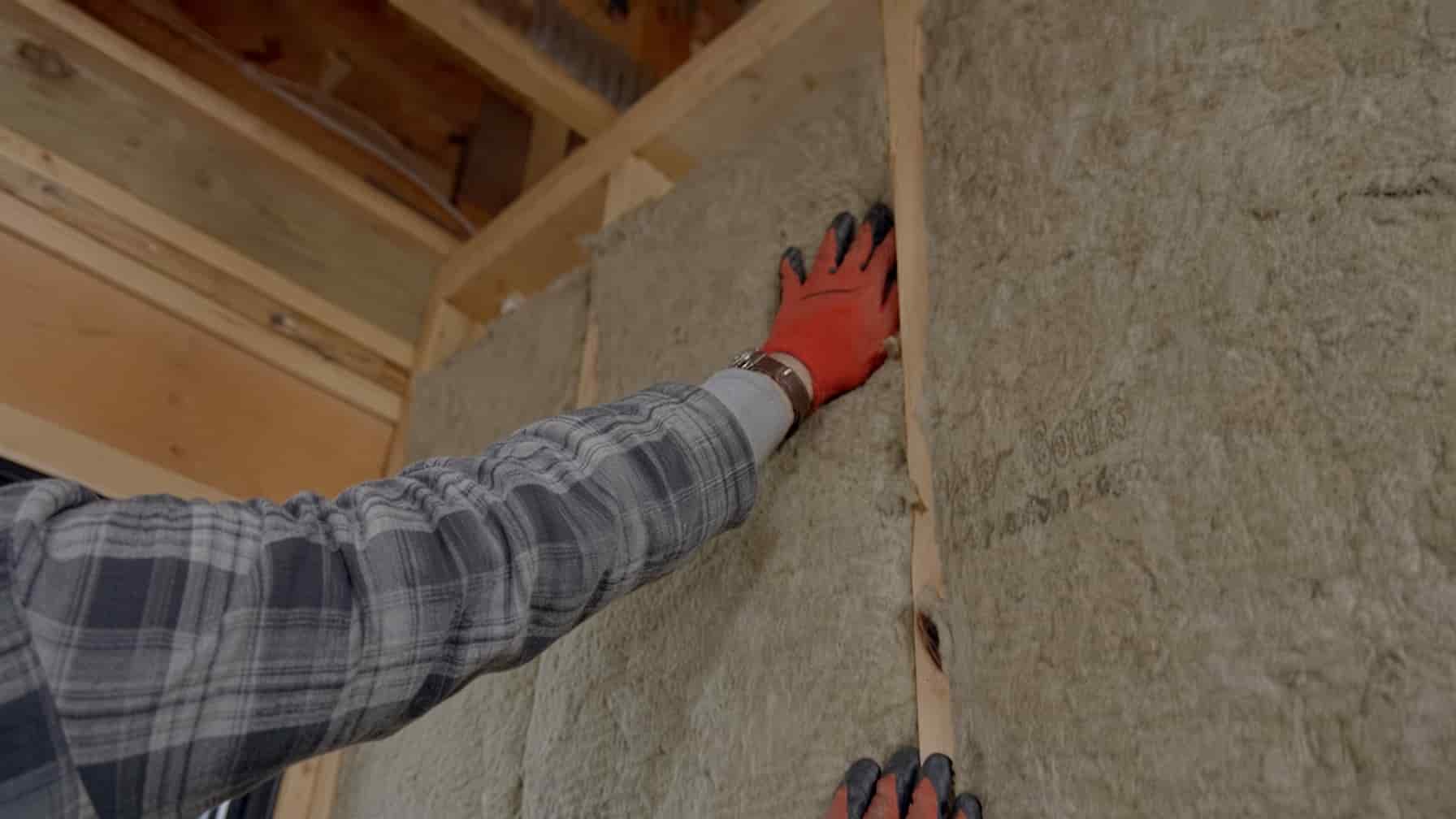
Does insulation go in before drywall?

Yes. Insulation in the walls and ceiling has to be in place before any drywall goes up. On permitted projects, it also has to pass inspection first. California's energy code requires insulation to be checked on garage conversions, ADUs, and additions, so we never hang drywall on a permitted job until the insulation is signed off. Getting the order right is easy, and getting it wrong is expensive, because the drywall would have to come back down.

Will drywall installation be dusty?.

Sanding creates fine dust that travels if it's not contained, so we protect floors, use plastic where needed, and vacuum-assisted sanding on larger jobs, whether it's an occupied home or an active retail space. You should be able to use the space the same evening on most residential jobs.

How do you handle scheduling around other trades on a new construction or TI project?

Drywall has to wait for framing and MEP rough-in inspections to pass, and other trades often need the drywall finished before they can start their own work. We coordinate directly with your GC, builder, or property manager to slot into the schedule at the right point, not too early and not holding things up.

Get a Free Drywall Installation Estimate

Residential or commercial, we'll get back to you the same day with a ballpark, and a firm number once we've seen the space.

Phone: (619) 825-1802

Service area: All of San Diego plus Carlsbad, Encinitas, Oceanside, Chula Vista, El Cajon, Poway, and everywhere in between.

Hours: Mon–Sun, 8:00 AM – 6:00 PM

🔒 Your information is private.

☎ Call Now Free Estimate